

The great classics of French cinema to discover or rediscover
Some films we think we know because we have heard a famous line, seen a poster or caught a clip. Then one evening we finally watch them in full… and understand why they have stood the test of time. French cinema has one of the richest film heritages in the world, from the great pre-war dramas to popular comedies, by way of the daring of the New Wave. Here is a short journey through the classics worth discovering or rediscovering, with a few tips for enjoying them at home through the Our films catalogue and the movie channels in your subscription.
The 1930s and 1940s: the golden age of poetic realism
Before the war, French cinema invented a style all its own: poetic realism. Ordinary characters, misty streets and wet cobblestones, finely crafted dialogue and an often tragic fate. Jean Renoir directed two landmarks in this period: La Grande Illusion (1937), a great film about brotherhood and social divides during the First World War, and La Règle du jeu (1939), poorly received on release and later hailed by critics as one of the greatest films ever made.
Marcel Carné, working with the poet Jacques Prévert on his screenplays, gave us Les Enfants du paradis, released in 1945, a sumptuous portrait of the Parisian theatre world in the 19th century. Three hours of cinema that have not aged a day, best savoured on a winter Sunday afternoon.

The 1950s: suspense, poetry and a gentle eye
The 1950s saw very different filmmakers shine. Henri-Georges Clouzot made Le Salaire de la peur (The Wages of Fear, 1953), honoured at both Cannes and Berlin, a model of suspense that keeps you on the edge of your seat from start to finish. Jacques Tati, meanwhile, invented an almost silent style of comedy built on visual gags and close observation of everyday life: his Mon oncle (1958), an affectionate satire of modern living, won the Oscar for Best Foreign Language Film.
These films are particularly good for watching as a family: they are accessible, visually inventive and show younger viewers that a black-and-white or almost wordless film can be funny and gripping. Our ideas for watching TV as a family can help you plan these screenings.
The New Wave: cinema takes to the streets
At the end of the 1950s, a generation of young critics stepped behind the camera and broke all the rules. Location shooting, lightweight cameras, little-known actors, bold editing: this was the New Wave. François Truffaut led the way with Les Quatre Cents Coups (The 400 Blows, 1959), which won Best Director at Cannes, a moving portrait of a teenager left to fend for himself. Jean-Luc Godard followed with À bout de souffle (Breathless, 1960), whose jump cuts and free spirit influenced generations of directors.
Soon after, Jacques Demy reinvented the musical with Les Parapluies de Cherbourg (The Umbrellas of Cherbourg, 1964), sung from start to finish to Michel Legrand’s music and awarded the Palme d’Or. Two years later, Claude Lelouch won the top prize in turn with Un homme et une femme (A Man and a Woman, 1966). To understand the history of world cinema, these films are essential.
Popular comedies: laughter across the generations
French cinema also means comedies people rewatch with delight, often knowing the lines by heart. Les Tontons flingueurs (1963) by Georges Lautner, carried by Michel Audiard’s witty dialogue, has become a cult classic. La Grande Vadrouille (1966) by Gérard Oury, starring the duo Bourvil and Louis de Funès, remains one of the biggest hits in French box-office history.
These films share a secret: they work just as well for grandparents who saw them in the cinema as for teenagers discovering them for the first time. They are the perfect choice for an evening that brings several generations together. For more ideas, take a look at the latest additions to our film catalogue.
From the 1970s to today: classics in the making
The list obviously does not stop in the 1960s. Jean-Pierre Melville gave the French crime film its prestige with titles such as Le Samouraï (1967) and Le Cercle rouge (1970), both coolly elegant. Closer to our time, La Haine (1995) by Mathieu Kassovitz won Best Director at Cannes, Jean-Pierre Jeunet’s Amélie (2001) carried the image of Montmartre around the world, and Intouchables (The Intouchables, 2011) by Olivier Nakache and Éric Toledano earned Omar Sy the César for Best Actor.
These titles show that a classic is not a matter of age: it is a film that keeps speaking to us years after its release.
How to enjoy the classics with Mondial TV
Your subscription gives you two ways into cinema. The first is the on-demand Our films catalogue, which is regularly updated: browse it, add the titles that appeal to you to My List and start them whenever suits you. The catalogue changes over time, so it is worth checking back often to see what is available.
The second is the channels in the package that give pride of place to cinema. Among the French channels, ARTE, TF1 Séries Films and TV5 Monde regularly show films, including heritage works, while international channels such as Rai Movie and Great Movies broaden the horizon even further. The programme guide, available on some of the channels, helps you spot screenings, and replay on some of them lets you catch a film you missed. Our article on films and replay at your own pace explains these options.

Our tips for a great screening
- Pick the right version: depending on the film, you can choose the audio track and subtitles. For deaf or hard-of-hearing viewers, or relatives learning French, subtitles are invaluable.
- Allow enough time: some classics are long. Thanks to resume across screens, you can start a film on the TV and finish it later on your tablet.
- Share the discovery: a classic introduced by someone who loved it when they were young always tastes better. Say a few words about the film before you press play.
- Get comfortable: soft lighting, phones put away and a well-adjusted screen; the Mondial TV app works on smartphones, tablets, Android TV, Google TV, Apple TV and in a web browser.
To watch on the biggest screen in the house, our guide Mondial TV on all your screens takes you through it step by step.
Ready to (re)discover these treasures?
The great classics of French cinema are an invitation to travel back in time, and a wonderful topic of conversation for the whole family. To explore them at your own pace, the 2-week trial for €0.99 lets you discover the service before it continues at €9.90/month with no commitment. Film lovers who watch all year round will prefer the annual plan at €79/year, a saving of €39.80 over the year. All plans are set out on our plans page. Enjoy the show!
Also read
 Films & séries
Live or replay: getting the best from your Mondial TV subscription
Live to share the moment, replay and VOD to take your time. Here is how to combine the two and…
Read the article Films & séries
The films not to miss this month
Choosing by mood, browsing without getting lost, building a wish list: a few pointers to turn every screening into a…
Read the article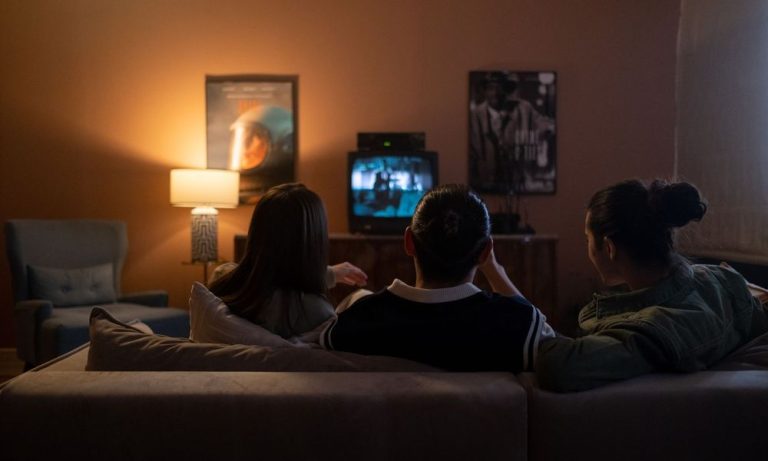 Films & séries
Films and series on replay: enjoy VOD at your own pace
What replay and VOD really cover, how to choose between them day to day, and how to enjoy the catalogue…
Read the article